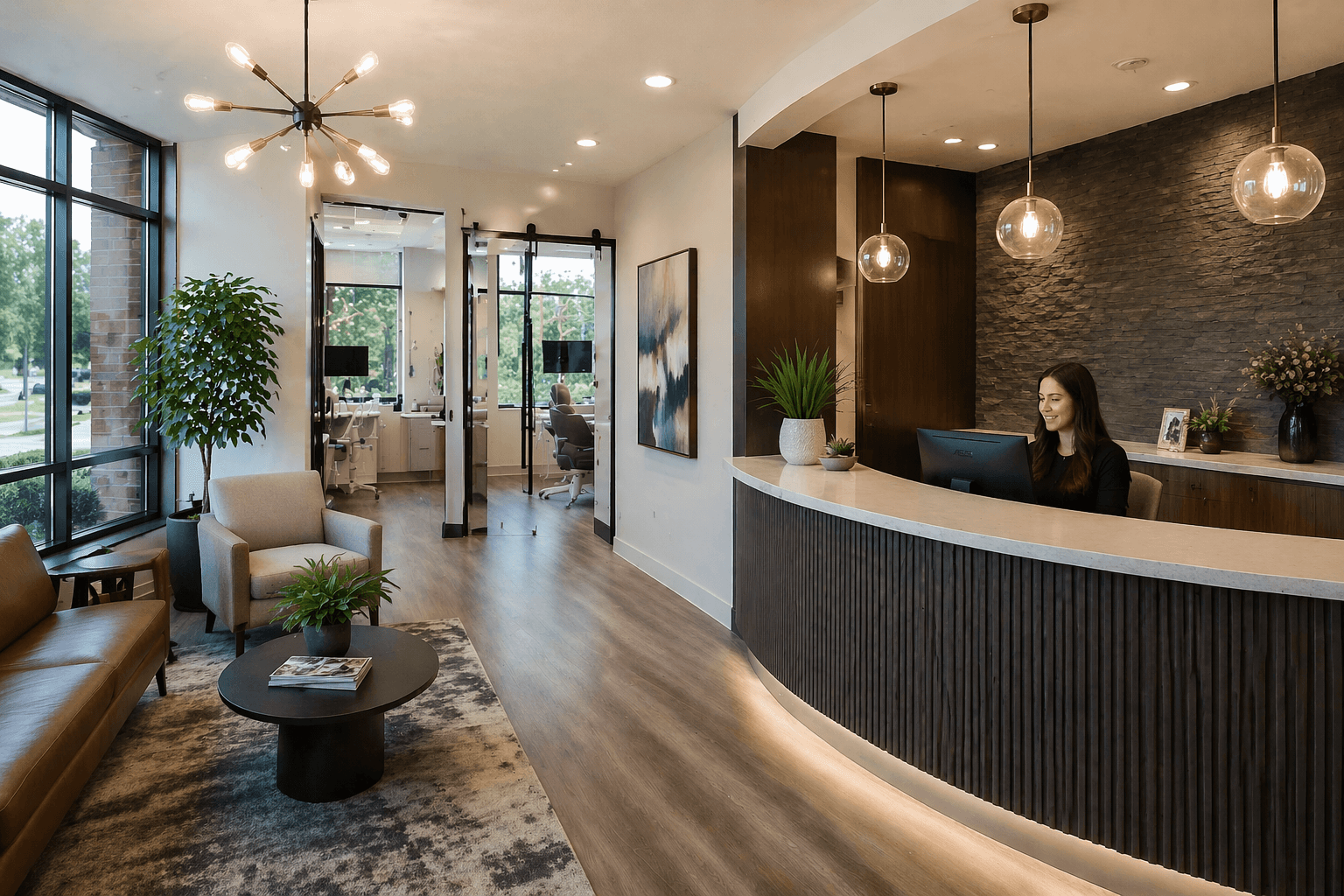
Why Detroit Dentists Are Investing in Custom Websites in 2026
Detroit dentists investing in custom websites in 2026 are doing it for a simple reason: the old approach stopped working. Template sites that once held page-one positions are getting outranked by practices with faster, better-structured, content-rich custom builds. The competitive math has shifted — and the dentists who understand that are pulling ahead of practices that haven’t updated their digital strategy since 2019.
- Metro Detroit has hundreds of dental practices competing for the same local searches — template sites no longer differentiate
- Custom websites load faster, rank higher, and convert more visitors into booked patients than generic builders
- AI-powered search (Google AI Overviews, ChatGPT, Perplexity) rewards structured, authoritative content that templates can’t deliver
- The ROI on a properly built dental website pays back in new patient revenue within 60–90 days for most practices
- 2026 is the year Detroit dental practices with outdated websites are visibly losing patients to better-built competitors
The Detroit Dental Market Is More Competitive Than It Looks
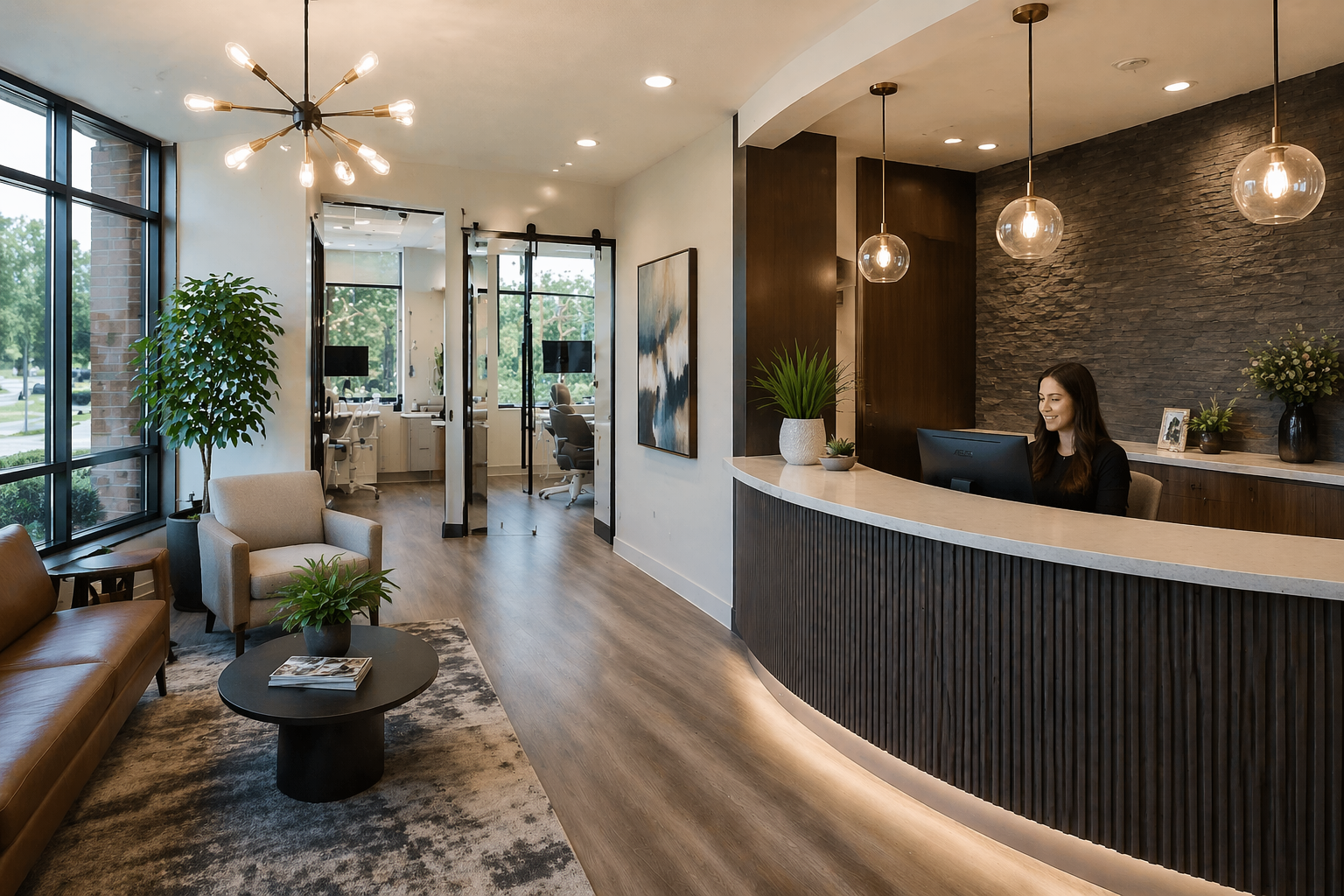
Wayne, Oakland, and Macomb counties combined have over 2,000 licensed dental practices. That’s not the national average — that’s Metro Detroit specifically, one of the most densely contested dental markets in the Midwest. When a family relocates to Ferndale or a young professional settles in Midtown, they open Google and search for a dentist near them. What they find in the next ten seconds determines which practice gets their business — and their lifetime patient value.
A decade ago, having any website at all gave a practice a competitive edge. Five years ago, a clean template with a booking button was enough. Today, neither of those thresholds clears the bar. The practices dominating local search results in 2026 are the ones that invested in websites engineered to win — not websites that simply exist.
The shift isn’t theoretical. Look at Google’s map pack for “family dentist Dearborn” or “emergency dentist Troy MI.” The practices holding those positions share a pattern: fast-loading sites, individual service pages targeting specific searches, well-structured schema markup, and a consistent volume of indexed content signaling expertise. That combination doesn’t come from a Wix template. It comes from purpose-built design.
Our guide on dentist website design in Detroit covers the mechanics of what makes a dental site rank and convert. This post focuses on why the investment is accelerating now — and what’s changed in 2026 that makes the decision more urgent than it was a year ago.
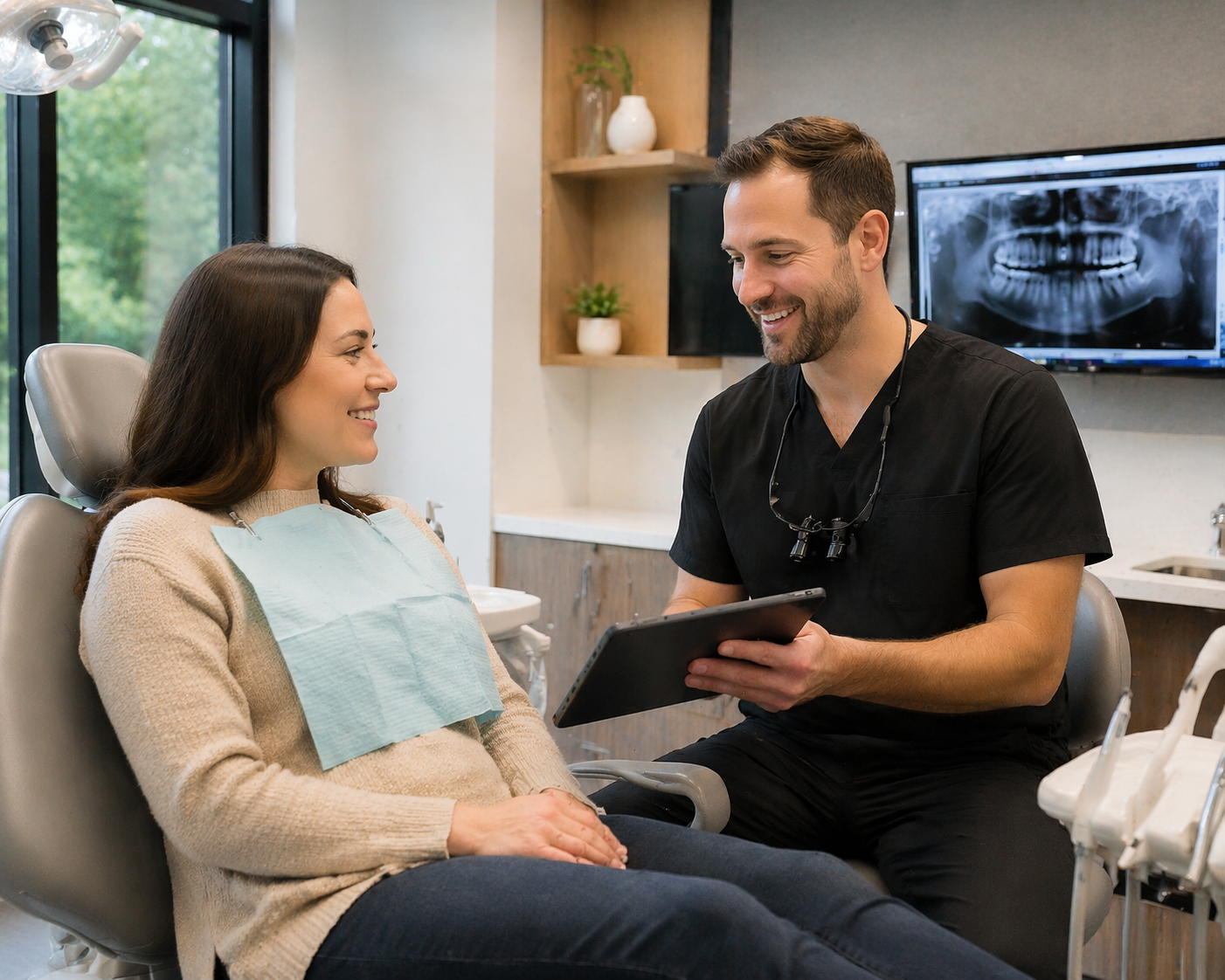
What Changed in 2026: Three Market Forces Driving the Shift
1. AI Search Is Rewarding Structured, Authoritative Content
Google AI Overviews, ChatGPT search, and Perplexity are now part of how patients find healthcare providers. These systems don’t just crawl keywords — they evaluate whether a page demonstrates real expertise, answers the actual questions patients are asking, and is structured in a way that machine learning systems can parse and summarize. Practices that show up in AI-generated answers are getting a category of visibility that didn’t exist two years ago.
Template sites built on generic page builders are almost universally invisible to these systems. They have thin content, no proper schema markup, poor heading structure, and no evidence of topical depth. A custom-built dental website — with dedicated service pages for implants, Invisalign, pediatric dentistry, and emergency care, each written with enough depth to demonstrate clinical expertise — is exactly what AI search systems surface when patients ask complex health questions.
Detroit practices that invested early in this kind of content architecture are already capturing AI Overview placements for queries like “how much do dental implants cost in Michigan” and “what to expect at a dental cleaning Detroit.” Those are free patient leads that template sites are categorically ineligible for. Our 2026 local SEO guide for Detroit businesses explains how AI search is changing the visibility landscape in practical terms.
2. Patient Expectations Around Mobile Took a Step Change
Over 80% of dental searches in Detroit now happen on mobile. Patients are searching from their car, their couch, their lunch break. The site that loads in 1.3 seconds and shows a clear “Book Now” button above the fold wins. The site that loads in 4.5 seconds and requires scrolling to find a phone number loses — to whoever loaded faster and made the next step obvious.
Template builders have improved, but they carry structural overhead that custom builds eliminate. Bloated CSS, render-blocking JavaScript, unoptimized image stacks — these performance penalties are baked into the platform, not removable without rebuilding. The Core Web Vitals data confirms it: custom Next.js builds routinely score 90+ on Google PageSpeed; the average Wix or GoDaddy site scores in the 40s on mobile. That scoring gap is a ranking gap. And in a market with 2,000 competing practices, a ranking gap is a revenue gap.
3. Generic Branding Actively Hurts Conversion in Healthcare
Trust is not optional in healthcare. A patient deciding whether to call your practice is simultaneously asking: “Do I trust these people enough to let them put instruments in my mouth?” Generic stock photos of anonymous smiling faces don’t answer that question. A page that looks identical to forty other dental practices in the area doesn’t build confidence — it raises doubt.
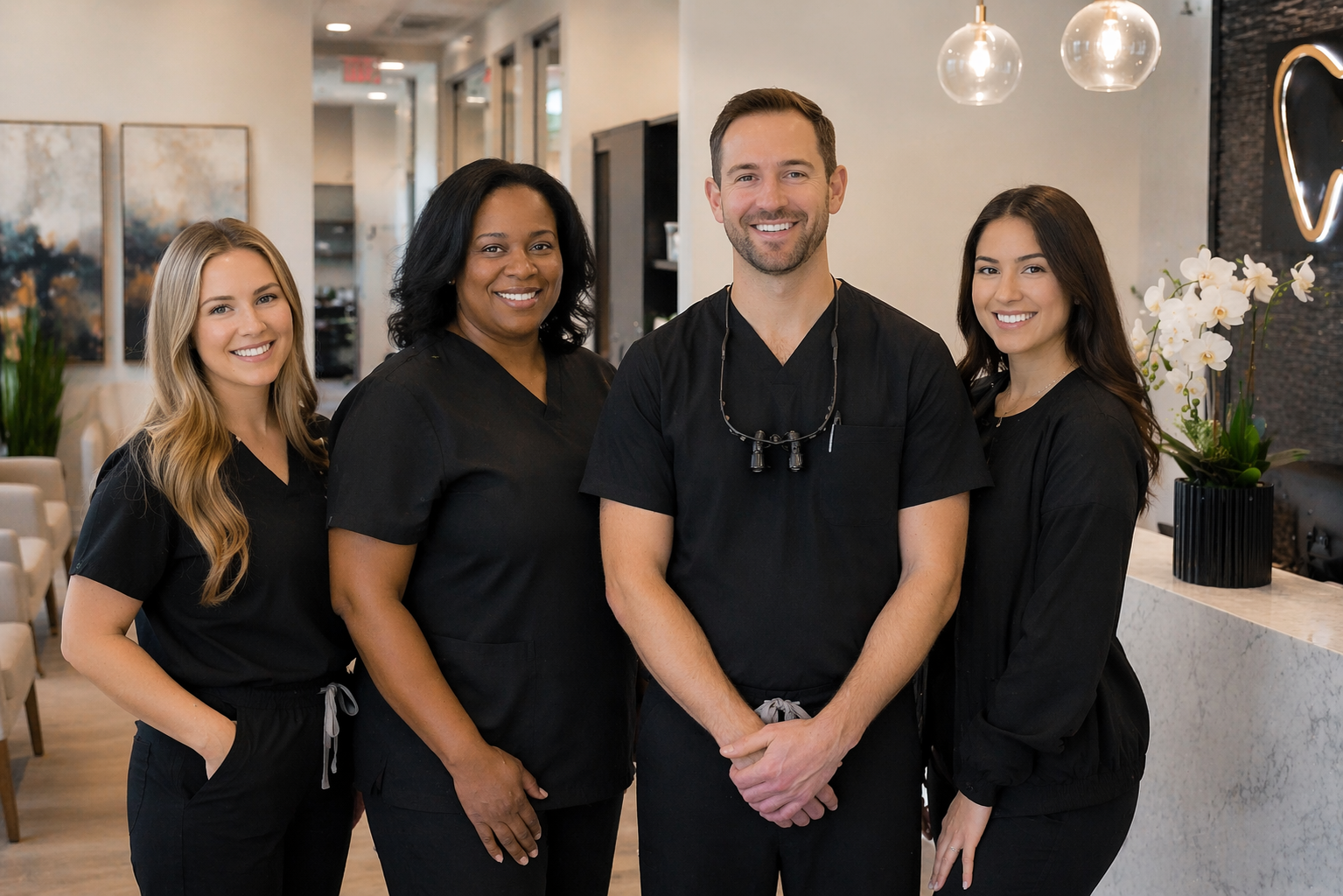
Custom-designed dental websites are built around real content: actual photos of the team, real before-and-after cases with patient permission, specific bios with dental school credentials and years of experience, actual patient testimonials with names and services received. This kind of authentic presentation converts at measurably higher rates than template-based practices — not because custom design is prettier, but because it’s trustworthy. In a healthcare context, trust is the conversion mechanism.
The ROI Math Detroit Dentists Are Running
Dentists are business operators. The investment conversation always comes back to return. Here’s the math practices are actually running before committing to a custom website build in 2026:
| Patient Type | Average Annual Value | New Patients/Month from Site | Monthly Revenue Lift |
|---|---|---|---|
| General dentistry (family) | $800–$1,200/yr | 5–10 | $4,000–$12,000 |
| Cosmetic / Invisalign | $3,000–$8,000 per case | 1–3 | $3,000–$24,000 |
| Dental implants | $3,000–$6,000 per implant | 1–2 | $3,000–$12,000 |
| Emergency dental | $400–$1,500 per visit | 3–6 | $1,200–$9,000 |
A general practice adding five new patients per month from improved organic search generates $4,000 to $6,000 in first-year revenue from those patients. Over the lifetime of those patients, the number is substantially higher.
The professional website cost, by comparison, ranges from $197/month on a retainer to a one-time custom build. The math clears in the first quarter for almost every practice type. The practices investing in custom websites in 2026 aren’t doing it because they have budget to burn — they’re doing it because the numbers work, and the cost of inaction (lost new patients to competitors) is higher than the cost of the investment.
What Detroit Dental Practices Are Getting Wrong Right Now
Before investing in a custom site, it helps to understand where template sites specifically fail. These are the patterns we see repeatedly when auditing existing dental websites in Metro Detroit:
- One generic “Services” page instead of individual service pages. Each service deserves a dedicated page targeting its specific search query (“dental implants Detroit,” “Invisalign Southfield”) with enough depth to signal expertise.
- No schema markup or incorrect schema. LocalBusiness schema tells Google exactly what your practice is and where. Without it, Google is guessing. Our local SEO guide explains how schema works in practice.
- Stock photos where real photos should be. Patients searching at 10pm are making a trust decision. A real team photo answers “who will I meet?” A stock photo raises questions.
- No click-to-call on mobile. If your phone number isn’t a tappable tel: link pinned visibly on mobile, you’re adding friction to the most important conversion action your site can generate.
- Outdated content that signals neglect. Outdated content doesn’t just fail SEO — it signals to potential patients that the practice isn’t current or attentive.
Fixing these requires either rebuilding from a better foundation, or continuously wrestling against the structural limitations of the platform you’re locked into. Most practices find that the rebuild is both cheaper and more effective than trying to force a template site to perform at a professional level.
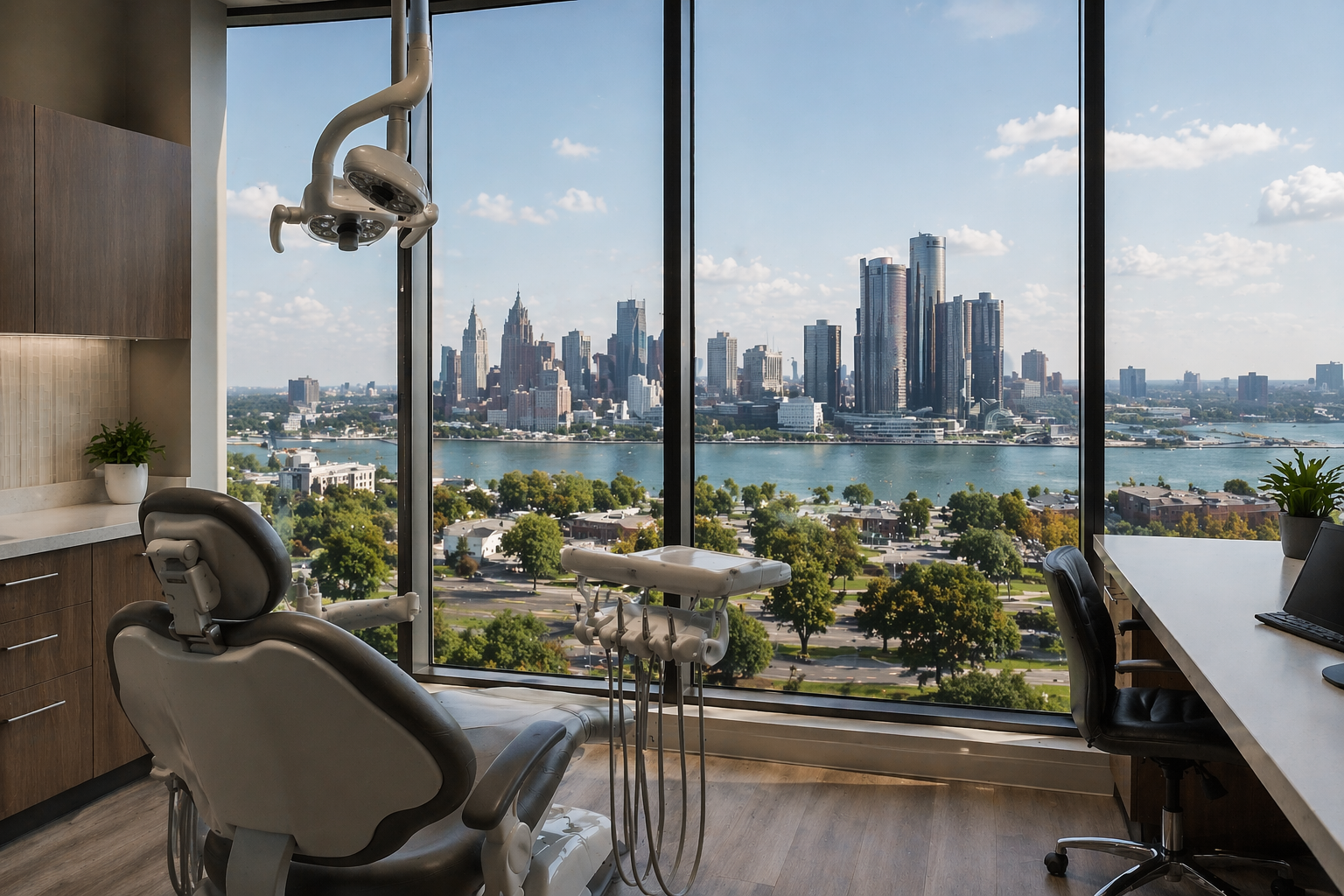
What a Custom Dental Website in Detroit Actually Includes in 2026
Custom doesn’t mean expensive and slow. The best dental website builds in 2026 follow a defined architecture built specifically for healthcare local businesses:
- Individual service pages targeting dental implants, Invisalign, cosmetic dentistry, teeth whitening, emergency dentistry, pediatric care, and general exams — each built around actual patient search queries
- Mobile-first performance architecture with sub-2-second load times — built on Next.js, not WordPress with a page builder
- LocalBusiness and DentalBusiness schema explicitly defining your practice, location, hours, services, and insurance accepted
- Google Reviews integration displaying your star rating and review count prominently
- New patient intake optimization — a booking form that captures leads during after-hours browsing, not just during office hours
- HIPAA-compliant contact handling — forms and scheduling flows that don’t expose protected health information
- Real team photography placement — built to feature actual staff photos, not stock imagery placeholders
- Location pages for every city you serve — if you serve Dearborn, Livonia, and Garden City from one office, each city deserves a dedicated page
This is what the practices ranking at the top of Detroit dental searches in 2026 are operating on. If you want to see what this looks like applied specifically to your practice, our dental website design service page walks through every component in detail.

Frequently Asked Questions
How much does a custom dental website cost in Detroit?
Custom dental websites in Metro Detroit range from $197/month on a professional retainer (build, hosting, SEO, and ongoing maintenance) to $5,000–$15,000 for a full one-time custom build. The monthly cost is recovered from a single new implant or cosmetic case. See our full breakdown of website pricing for Detroit businesses.
How long does it take a custom dental website to rank on Google?
A properly built and optimized dental website typically begins generating organic traffic within 60–90 days of launch. Competitive keywords like “dental implants Detroit” may take 4–6 months. Location-specific long-tail queries often rank within 30–45 days. The timeline depends heavily on local competition density and content depth.
Can I just update my existing template site instead of rebuilding?
Sometimes. If your site is structurally sound — fast on mobile, properly indexed, with individual service pages and schema markup — targeted content improvements may close the gap. But if your site is on Wix, GoDaddy, or an outdated WordPress theme and failing Core Web Vitals, platform limitations mean you’ll always be fighting the foundation. A thorough audit is the right first step.
Does my dental practice really need a blog?
Not necessarily. A well-built static site with strong service pages, proper schema, and real patient content can rank and convert effectively without a blog. A blog becomes valuable for targeting informational queries that bring in patients who are researching treatments before they’re ready to book — particularly for cosmetic and implant cases.
What makes Caliber Web Studio different from other web designers for dentists?
We build for local businesses in Detroit specifically — not national templates deployed locally. Every dental website we build is custom-coded on Next.js, structured for local SEO from the first line of code, and maintained with ongoing performance monitoring after launch. Contact us for a free audit of your current site.
Caliber Web Studio builds dental websites for Metro Detroit practices — purpose-built to rank, convert, and represent your practice the way it deserves. No templates. No WordPress. No disappearing after launch. Call us at (313) 799-2315 or request a free site audit.
Darrin Singer Jr. is the founder of Caliber Web Studio, a Detroit-based web design agency specializing in custom websites for local businesses across Metro Detroit.